
Movement in Action

Activity Resources

Check out some of these tools to help you stay active and move your way!
Move Your Way® Activity Tracker

  • Move Your Way® activity planner: Use this planner to set goals, choose activities you want to do, and get tips to help you stay motivated. When you’re done, print your plan to track activity throughout the week. 

Resources from Our Partners

  • Exercise Video Playlist from the National Institutes of Health: Exercise videos, including aerobic, flexibility and strength, for different ability levels. 
  • Move Your Way®: Tools, videos, and fact sheets that make it easier to get a little more active from the U.S. Department of Health and Human Services.
  • Indoor Walking exercise video: A fun and upbeat 15-minute indoor walking-at-home program that you can do in any room.

Equipment Swaps

Instead ofTry

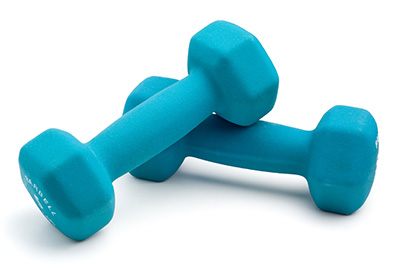
Weights/kettlebells

weights

  • water bottles
  • canned goods
  • milk jugs
  • laundry detergent jug
  • Fill reusable grocery bag with anything heavy

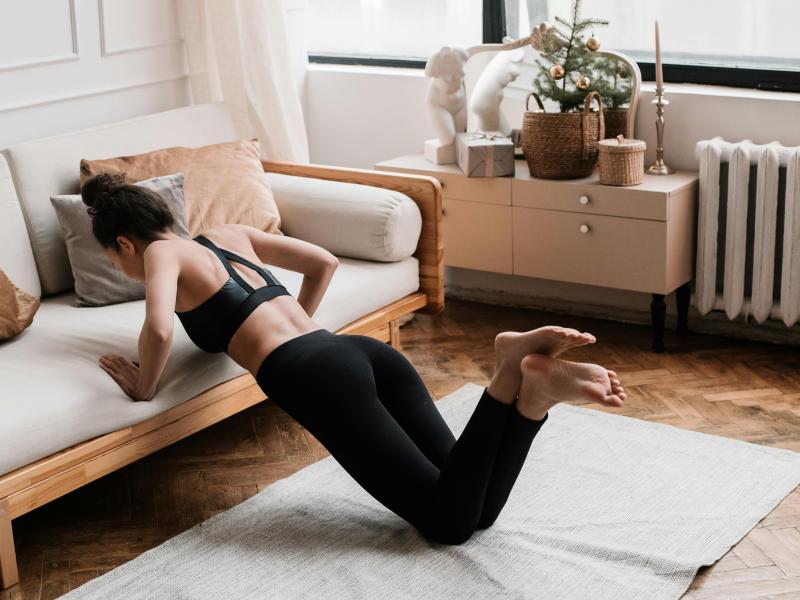
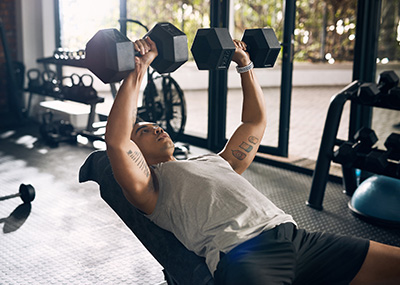
Weight bench

weight bench

  • chair
  • firm couch
  • low sturdy tables
  • ottoman
  • stairs

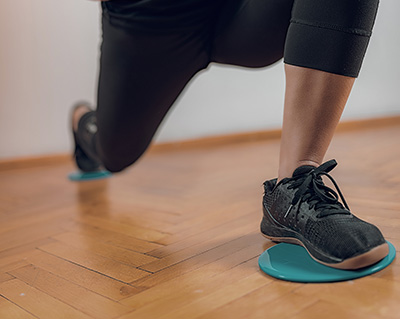
Sliders

sliders

  • towels
  • fuzzy socks
  • paper plates
  • pillows

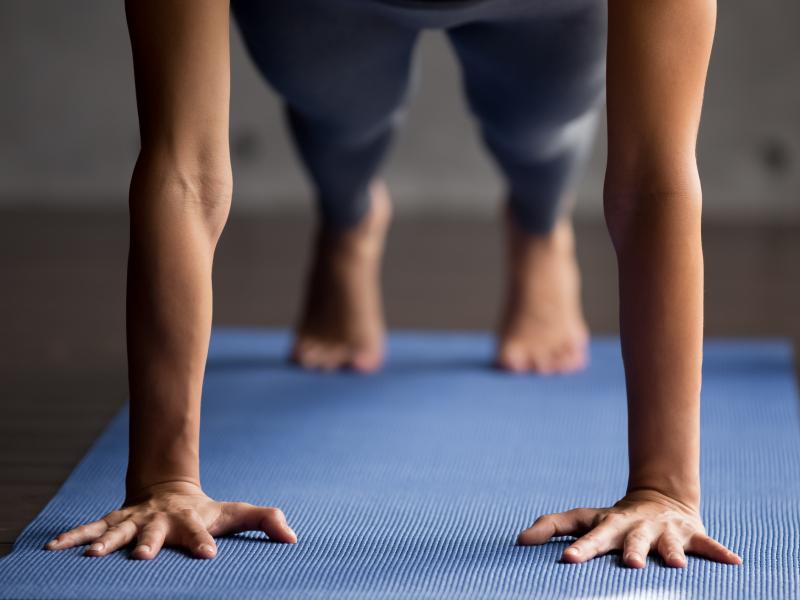
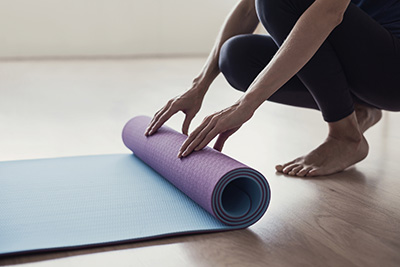
Yoga mat

yoga mat

  • bath towel
  • beach towel
  • blankets
  • nothing (mats aren’t always necessary in workouts)

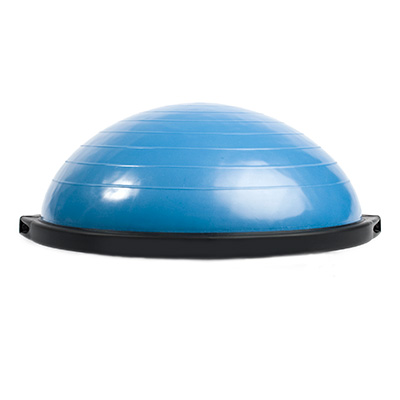
Bosu Ball

bosu ball

  • couch
  • bed
  • firm pillow

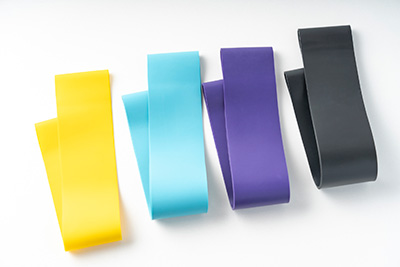
Resistance bands

resistance bands

  • robe tie
  • old t-shirt
  • bungee cord
  • stretchy leggings

Exercise Safety

Cartoon Basketball High-fiving small cartoon basketball

It's Important to Stay Safe while Being Active

Exercise is a great way to stay healthy, but you need to be prepared so you can do activities safely. Follow these safety tips to be ready for any activity.

Tip: If you have a health problem, or have not been active in awhile, contact your health care provider to make sure it is safe for you to be more physically active.

Image
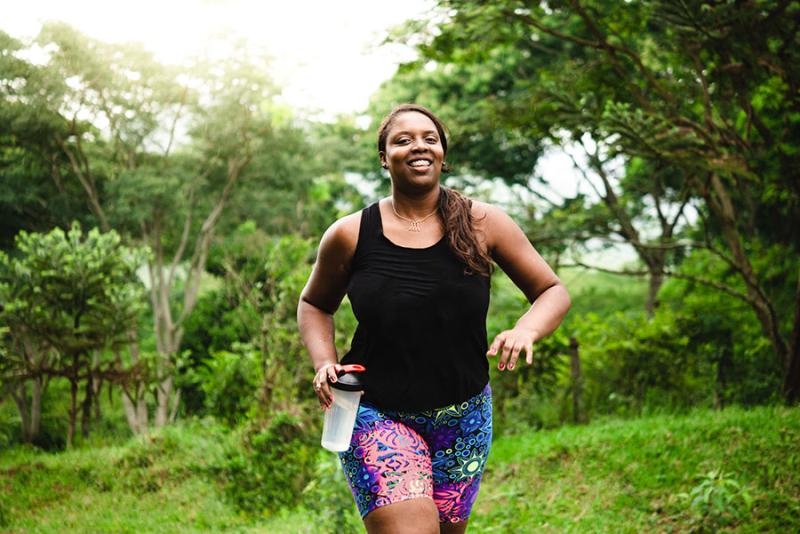
woman going for a run outside

Outdoors in Any Season:

  • Put sunscreen on any exposed skin, year-round. Read the bottle to know when to put more on, especially if it washes off from swimming or sweat.
  • In the winter, cover exposed skin to protect from the cold.
  • In the summer, wear lightweight, light-colored clothing to avoid getting too hot. Consider working out in the early morning or in the evening when it's cooler.
  • In the winter, spring and fall, wear layers of clothing so you can add or take off some if you get too hot or cold.
  • At night, try to stick to well-lit areas and wear light colors and reflective clothing and shoes. If you're biking at night, use bike lights. It's important for people in cars to be able to see you.
  • If you're going out alone, let someone know where you're going and when you plan to be back.
Image
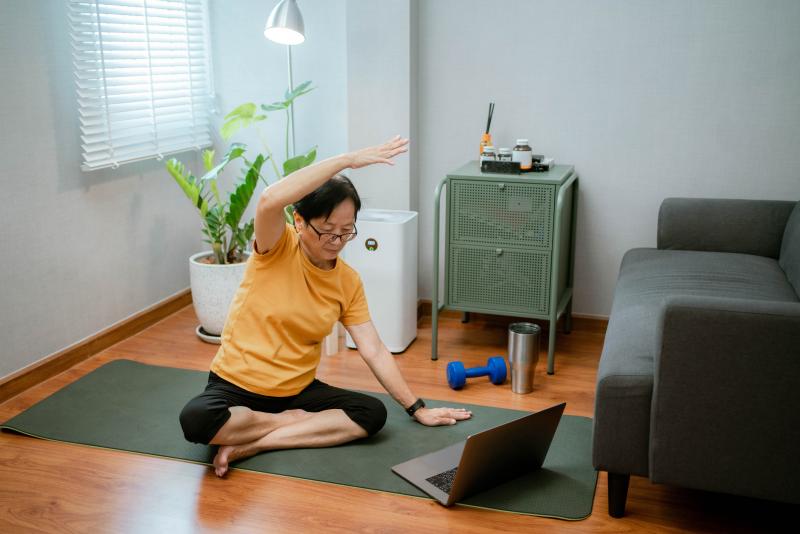
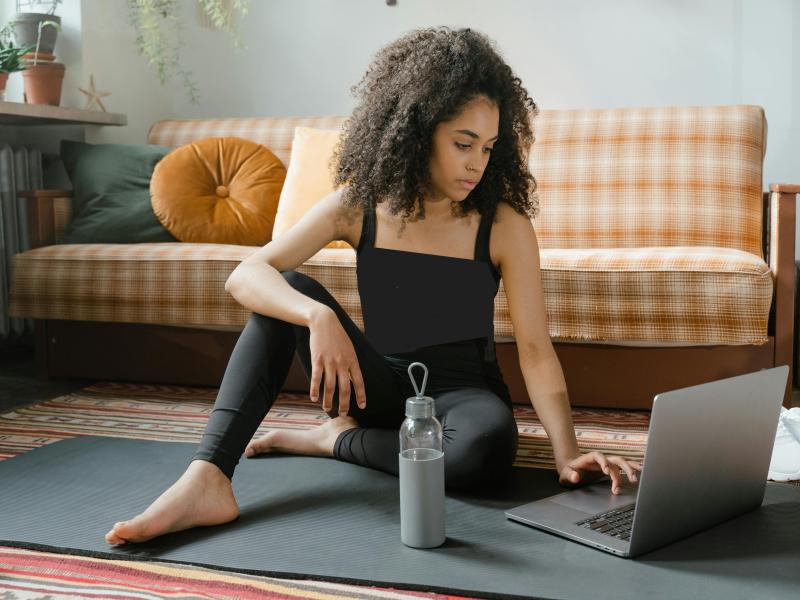
Woman doing online stretching class

Clothing, Shoes, and Equipment:

  • Wear appropriate shoes for the activity and the weather. For example, wear sneakers or running shoes to run or walk. Boots will keep you safe in the snow or while hiking.
  • Use safety equipment for the activity you're doing. For example, wear a helmet when riding your bike or gloves to prevent blisters when doing yard work. 
  • You don't need fancy workout clothes. Just wear something that allows you to move freely and do the activity comfortably.  
Image
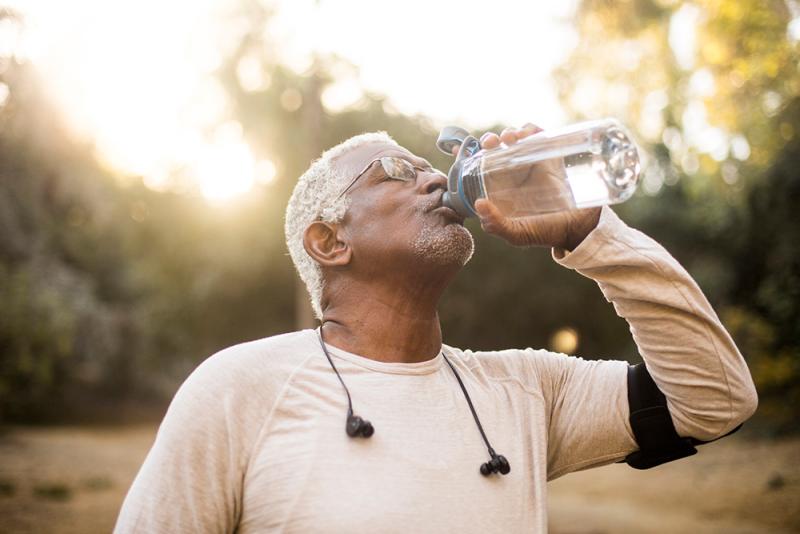
man drinking water from a bottle during workout

Hydration and Nutrition:

  • Drink water when physically active, even if you're not thirsty. The amount each person needs will vary based on the weather and the intensity of your workout.
  • You probably don't need sports drinks unless you're working out very hard or for more than a couple hours.
  • Remember to drink water even if you're not feeling hot, like indoors or in the winter.
  • Fuel your workout by eating a combination of protein and complex carbohydrates one to four hours before you exercise. Some examples are yogurt with berries, fruit with peanut butter, or a handful of nuts with pretzels.
Image
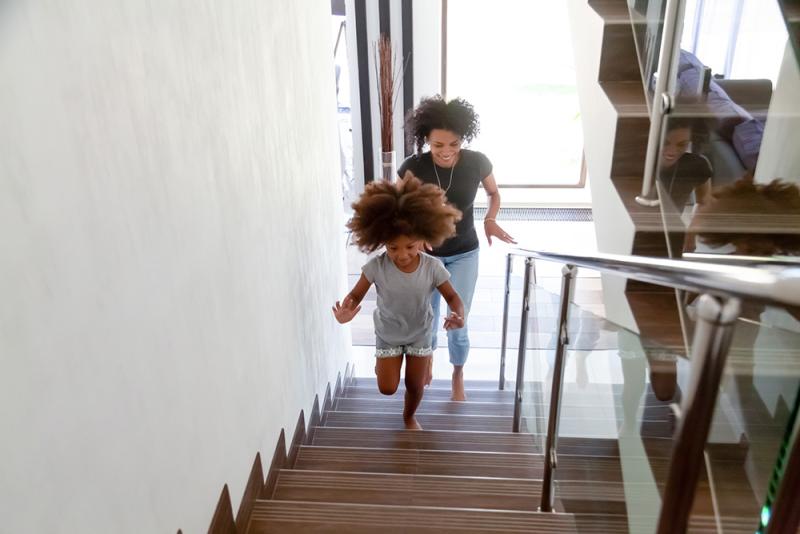
mom and daughter going up the stairs

Avoiding Injury:

  • Start low and go slow. Start slowly with new activities and gradually increase your activity levels.
  • Listen to your body. Take a break if there's too much pain, you feel dizzy or sick, or if it's very hard to breathe. Talk to a health care provider if you have joint or muscle pain that lasts more than three days after resting.
  • Use the right amount of weight. You can add more weight as you get used to the exercise.
  • Maintain good form when bending, lifting and stretching.
  • Limit risk of falling. Make sure you have enough room to move around if you're exercising inside. When outside, watch where you step if the ground is uneven, slippery, or icy.
  • Warm up. Do a 5 to 10 minute warm up to ease into a higher heart rate. 
  • Cool down. When you're done with your workout, do a 5 to 10 minute cool down until your heart rate gets back to the normal resting rate.

Ideas to Get Active

Cartoon Basketball Watching a Stopwatch

You won't need to waste any time finding ways to stay active. Check out these ideas to get you moving all year round!

Image
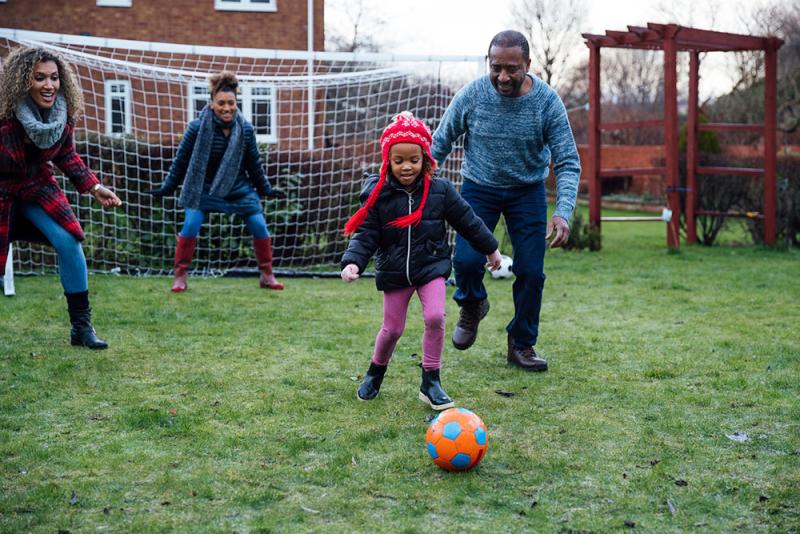
family playing soccer

Activities to Do Together

Being active with others can help motivate you and boost your mood. This section will give you lots of ideas to get moving together.

Image
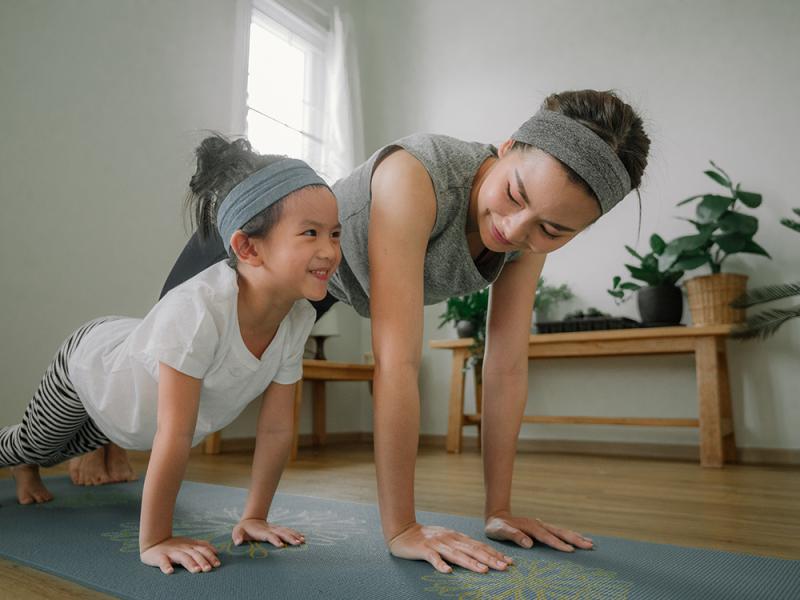
mom and daughter doing pushups

Indoor Activities

Is the weather not cooperating with your workout plans? Or maybe your kid needs to nap and you can't get outdoors? If you've ever felt stuck inside when you want to be active, this section can help you move more indoors.

Image
grandfather and grandson gardening

Chores Count, too!

Even though they may not be your favorite form of exercise, chores count toward your daily activity. Find activities that need to be done anyway! Explore this section to learn how chores can work up a sweat.

Subscribe to Movement in Action